
Why semantics matters more than ever in an agentic world
Over the past few weeks, I’ve attended several events and conferences across Europe, exploring the world of content and semantics. It’s been a fascinating journey. Here are my four key takeaways.
(1) In an agentic world, semantics ground AI
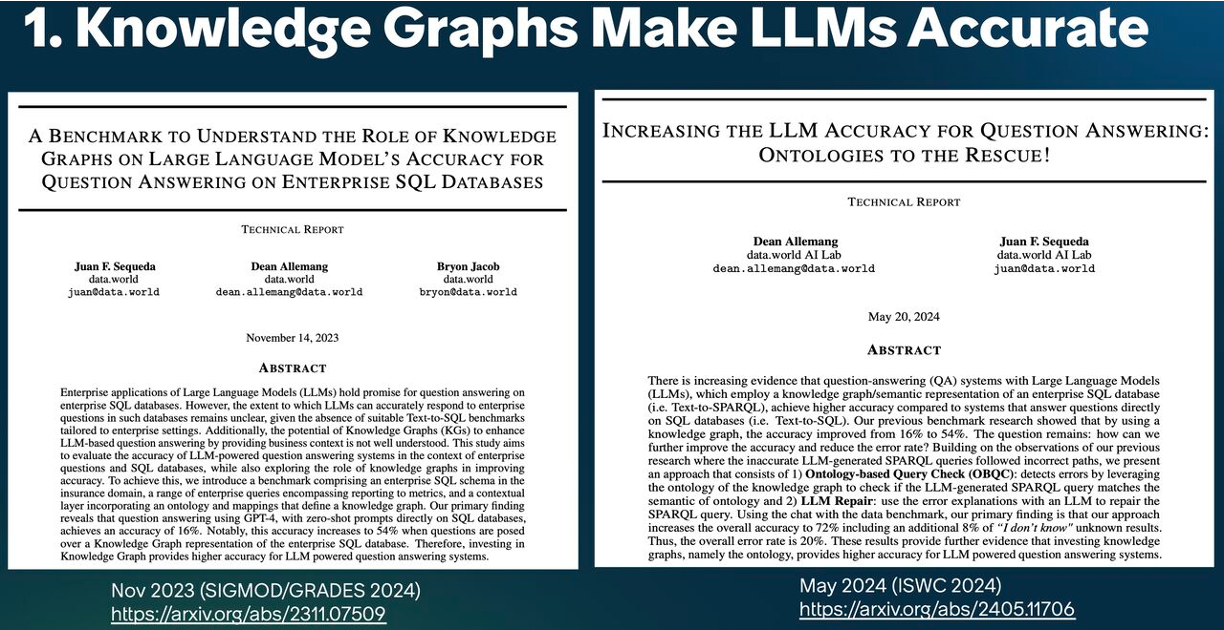
Ontologies define what data means and how concepts relate to one another, while knowledge graphs connect and contextualize information based on these semantics. This makes AI answers and actions more reliable, explainable, and trustworthy. In short, semantics ground LLMs.
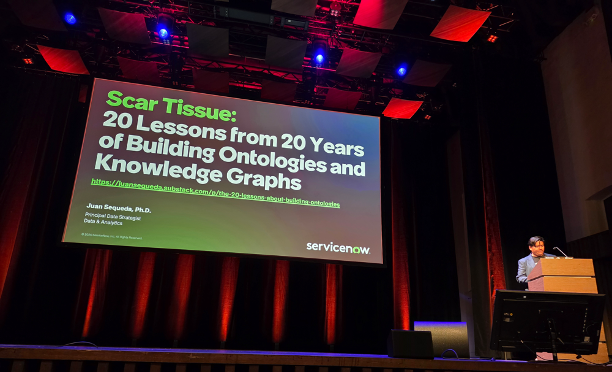
In his keynote at SEMANTiCS 2026 in Ghent, “20 Lessons from 20 Years of Building Ontologies and Knowledge Graphs,” Juan Sequeda presented this as lesson number one. He has published all 20 lessons on LinkedIn—don’t miss this valuable collection of knowledge.
Just a few days later, Adobe reinforced this approach at its Content Strategy Leaders event—in a session with the wonderful title “You Can’t Prompt Your Way to Trust.” The speakers showed how structured content can become an operational knowledge system built on DITA content, taxonomies, knowledge graphs, and guardrails for AI agents.
(2) Enterprise architecture is becoming agentic
At SEMANTiCS, Deborah McGuinness talked about the shift from good old-fashioned AI to new AI.
In good old-fashioned AI, semantic ecosystems use a semantic layer to aggregate data from different sources and provide harmonized data to applications.
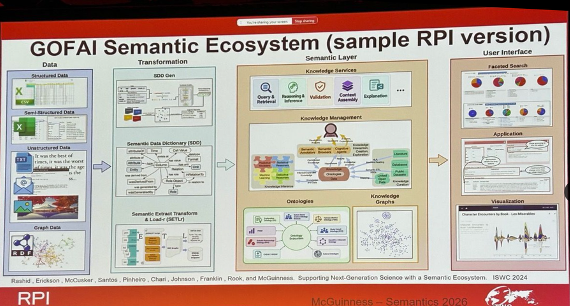
New AI works differently: agents access and use data from multiple systems, while other agents orchestrate their actions. This changes the enterprise architecture. Instead of relying primarily on centralized integration and aggregating data in content or knowledge hubs, agents can access multiple sources of truth directly and process information across systems.
But this architecture still requires semantics. Deborah McGuinness called it “semantic sprinkling” in the agentic infrastructure: an ontology defines data and content types, a knowledge graph enables GraphRAG and stores mappings, and an LLM helps build ontologies.
At its Exchange AI Day, Empolis presented a new AI platform designed to orchestrate agents that access Empolis and Proalpha systems as well as other sources of truth. And because Empolis has been developing knowledge graphs for a long time, its semantic sprinkle remains strong 😉: the agents can find semantic grounding in the knowledge graph.
(3) Governance makes AI productive
Some things don’t change: new infrastructures still need governance. Clear responsibilities and processes need to be defined for sources of truth, data flows, interfaces, and orchestration.
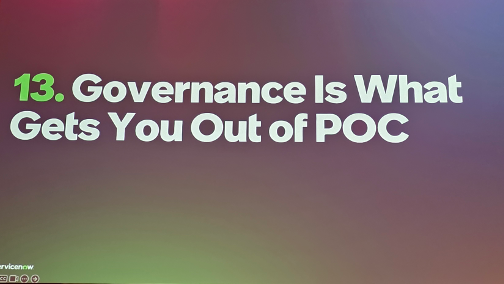
Agents make this need even more urgent because they can act more independently—and therefore require strong guardrails and reliable data. As Juan Sequeda put it, “Governance is what gets you out of POC.”
Setting up semantic and AI solutions is socio-technical work
This point came up both at SEMANTiCS and during the panel discussion at Adobe’s Content Strategy Leaders event: building knowledge graphs and setting up agentic AI requires communication and collaboration. You need to understand what people mean, develop a shared understanding, and clear up misunderstandings or false assumptions. AI can help build ontologies, but it cannot replace the communication required to model knowledge. That means we need people with strong social skills. And let’s stop calling them soft skills—they are a hard requirement for successful projects.
My key takeaway from these events: Agentic AI does not make semantics obsolete—it makes semantics more important. The more autonomously systems find, interpret, and act on information, the more we need shared semantic models, reliable sources of truth, strong governance, and people who build these structures together.