
20 years of parson – a conversation with founder Ulrike Parson
In 2026, parson celebrates its 20th anniversary – two decades during which the company has evolved from a service provider for technical documentation into one of the leading specialists in modern information systems, information architecture, and smart content strategies.

Without Ulrike Parson, parson would not be the company it is today. As the company's founder and long-time CEO, she has played a key role in shaping its strategic direction, quality culture, and commitment to innovation. Her belief that well-structured information is the key to better products and more engaging customer experiences continues to shape the company to this day.
To mark the anniversary, we are looking back with her on key milestones, challenges, and strategic decisions. We talk about the transformation of technical communication, AI, standards, and consulting – and about how she personally recharges her energy.
Ulrike, you founded parson 20 years ago under the name “parson communication.” What motivated you to take that step – and what were the early days of the company like?
Initially, I worked independently as a freelance technical writer. That developed out of various professional roles – initially without a strategic master plan. The project situation was strong from the beginning, so I quickly began collaborating with other freelancers. In 2008, I decided to hire technical writers and expand the company. We built and moved into our first office, which was an extension of a friend's house.
During this phase, it was particularly important to me to deliver modern, user-friendly technical documentation that would be seen as an integral part of the product, not as a necessary add-on. As our team grew, we were able to take on larger projects and further develop our expertise.
On a personal level, traveling in the early years was challenging because our children were still quite young. At that time, however, freelancers were expected to carry out a significant portion of their work on site.
From the very beginning, the focus has been on quality and continuous development
What were the early days of parson like? Who were your first customers, and what were your first projects? What challenges did you face as a small team?
Our first customers were from the software sector and focused on user documentation and developer documentation. Much of our work was written directly in English.
We grew steadily during the first few years and soon gained international customers. One such customer is NDS e. V., with whom we still work today, and we are very proud of that.
One of the key challenges was recruiting. Finding housing in Hamburg is difficult, and there is no university offering a degree in technical communication. We needed colleagues who specialized in software and developer documentation, could write in English, and were willing to travel extensively. As a result, qualifications and continuous professional development became integral to our corporate culture early on and remain so today.
Looking back over the past two decades, which milestones, turning points, or developments have had the greatest impact on parson AG, both strategically and within the team?
The most fundamental decision was to grow the company to achieve the necessary staffing and expertise to handle larger, more challenging projects. This led to our move to a second, larger office in 2010.
As our number of international customers grew, we experienced increasing delays in contracting because I was still working as a freelancer. Customers expected a standard legal entity for contracts, which went beyond what was feasible as a freelancer. In 2013, we founded parson AG and merged parson communication into it that same year. We chose a stock corporation structure to operate more easily at an international level.
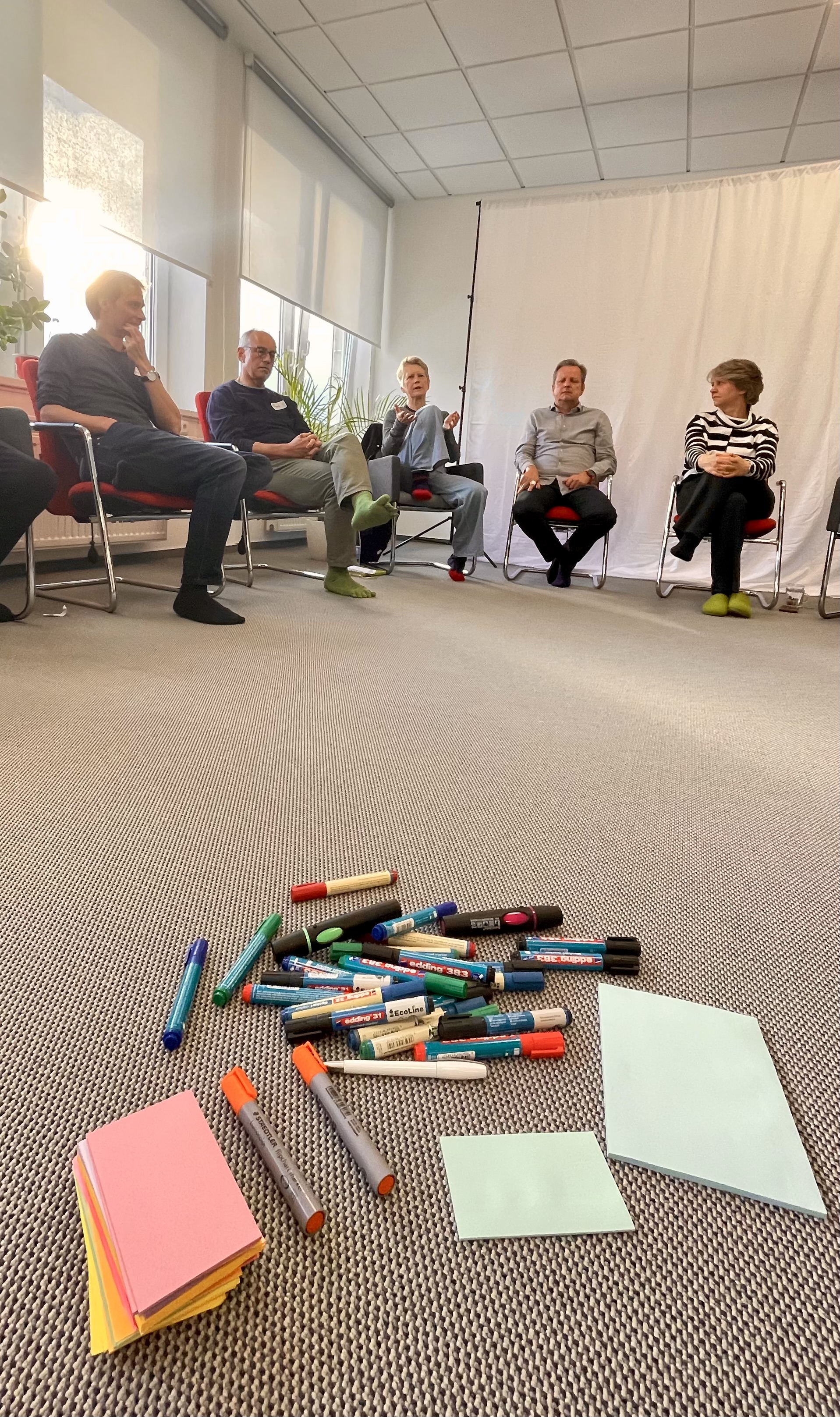
Growth also meant building a formal organizational structure, implementing management strategies, and making support areas such as finance, information systems, and marketing more professional. A key milestone in this regard was the implementation of self-managed teams in 2015. Self-organization is an ongoing process that requires extensive communication, but the principle of autonomy has had a lasting impact on our corporate culture. In my view, this is a major reason why many colleagues choose to work at parson.
Strategically, developments in technical communication have strongly impacted us. The market has shifted significantly. Talent is scarce, content processes are increasingly automated, and documentation is moving closer to development. Now, developers often contribute directly, supported by AI.
A major milestone was the decision to expand our portfolio beyond technical writing to include information architecture, systems consulting, pipeline development, and training. This transition occurred gradually, aligning with the expertise and interests of parson team members and supported by targeted professional development.
Another key decision was to expand the recruitment process beyond Hamburg and Berlin and focus on finding the right fit for the company. This resulted in a nationwide parson team that primarily works remotely. Most importantly, this approach has resulted in a creative, diverse team capable of delivering a wide range of projects.
Our strong involvement in iiRDS has also been highly influential. We have helped develop this standard from the very beginning, and a great deal of voluntary work has gone into it.
Before becoming self-employed, you worked for larger companies and corporations. What did you do differently when leading your own company?
Working on an equal footing has always been very important to me. From the beginning, our management approach has emphasized transparency and participation. We regularly share company figures and developments during staff meetings and define goals together. Since 2015, we have built on this approach by implementing self-managed teams.
Another key factor is balancing work and family life. As parents of two children, we understand how challenging different life phases can be. That is why we focus on flexible working hours and individualized part-time models that can be tailored to personal circumstances. Working hours can be adjusted as needed, and overtime, such as that resulting from business travel, is generally compensated with time off. We also support employees with children of kindergarten age by contributing to childcare costs.
We also communicate this approach externally. Our organizational model is a key component of our sales conversations. Customers know that the parson teams supporting them make many decisions independently and that meetings after 4:00 p.m. are only scheduled by agreement.
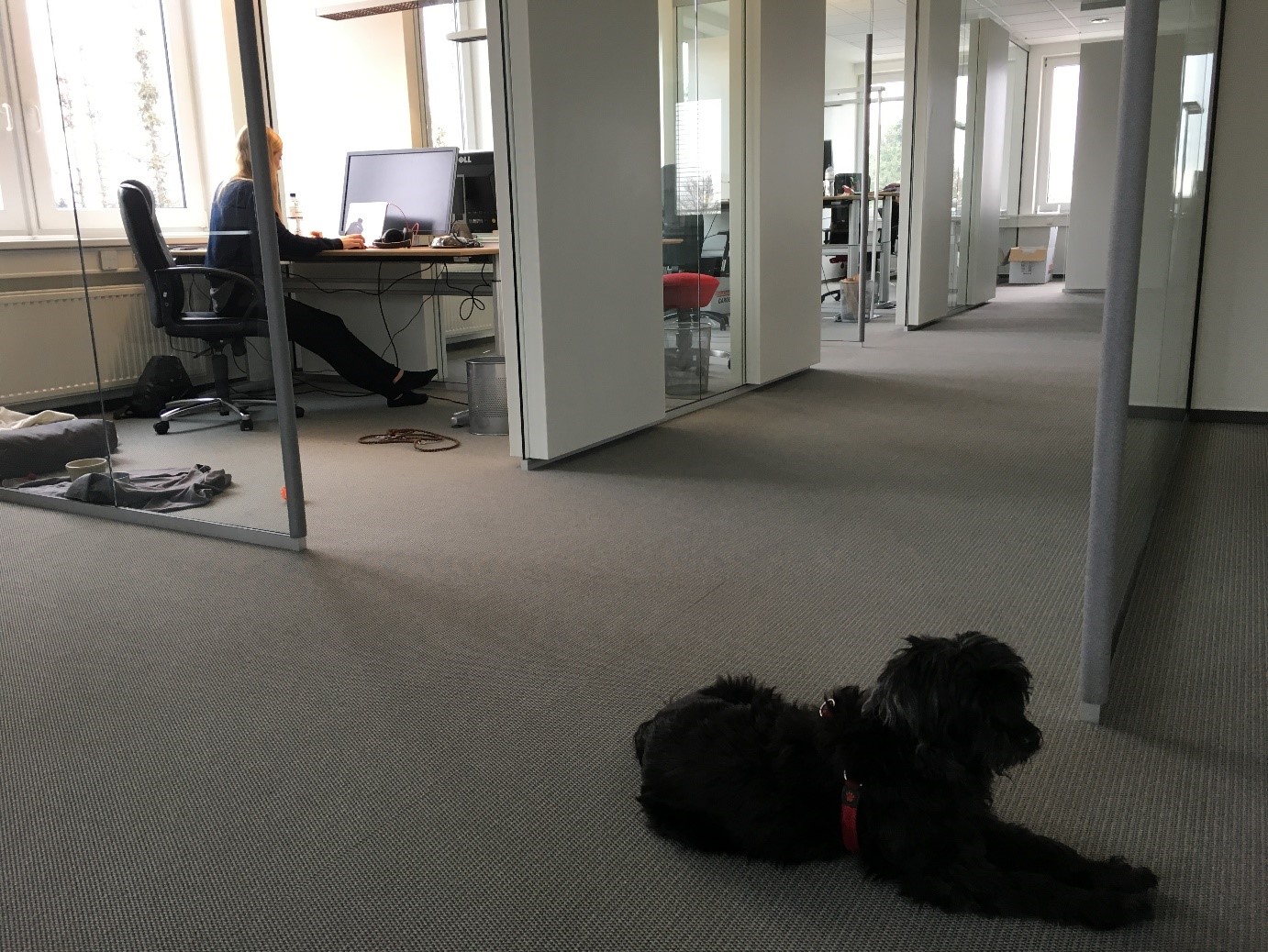
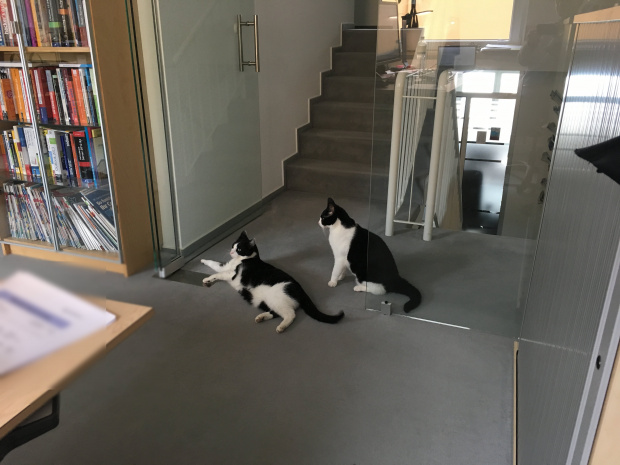
Last but not least, pets are welcome. Dogs and cats are allowed in the office, as long as everyone agrees.
We’ve learned to continuously adapt
Two decades of company history inevitably include difficult phases. Which challenges or crises were particularly significant, and what did you and your team learn from them?
COVID was a major turning point. Although we were technically prepared to switch to remote work immediately, the situation had a noticeable impact on us. Many of our colleagues have children who suddenly needed to be homeschooled and cared for at home. Customers canceled projects because they lost business themselves. Our newly rented office stood empty for months.
Our customer and project mix changed significantly during this time, and it has remained that way ever since. The crisis accelerated several developments in our industry.
Another major turning point for me was the introduction of generative AI. It quickly became clear that traditional technical writing would change significantly; only the speed and extent were uncertain. We began exploring the technology early on, started our own research projects, and presented our findings at the tcworld conference in 2023, as well as in a white paper.
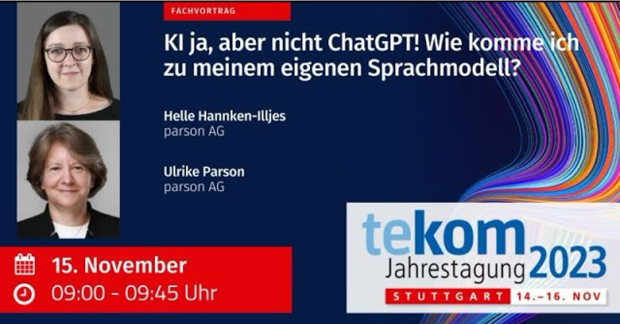
Click the picture to watch the recording on YouTube (in German).
Today, AI is an integral part of our work. I don't see it as a threat but rather as a technical tool that can be applied to many areas of our field. Like any technology, however, it has its limits. We use AI in all areas of the company, including consulting.
For us, good consulting starts with the bigger picture
Consulting is now a central part of parson's service portfolio. What defines good consulting for you, and what kinds of questions do companies typically bring to the parson teams?
Good consulting is neutral and requirements-driven. It's not about selling a solution; it's about understanding where the real problems lie. What are the pain points in daily work? Where do frustration, friction, and inefficiencies arise, and what is working well? Good consulting also considers the bigger picture: the interaction of systems, processes, and information across the entire product lifecycle.

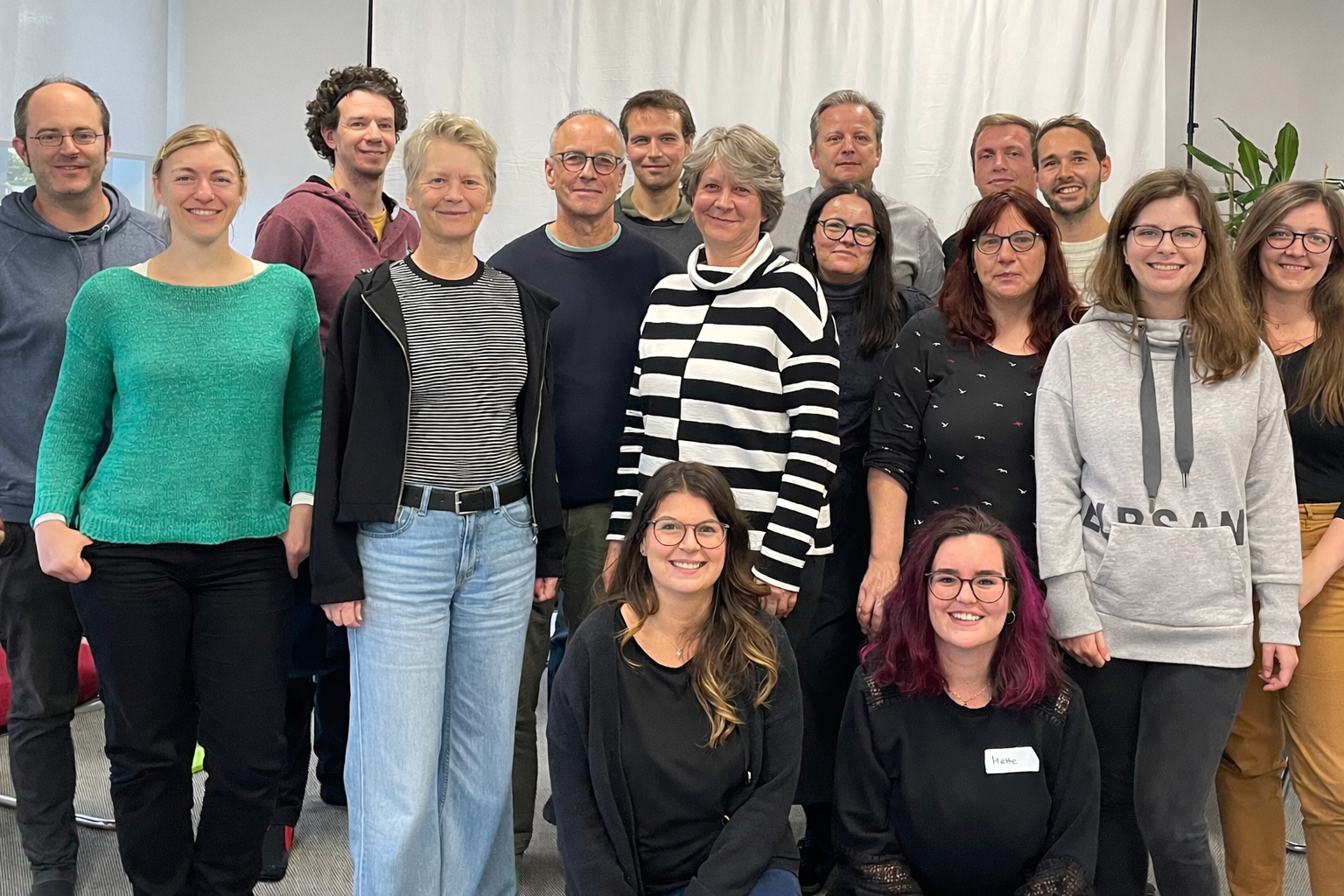
Marion Knebel, Ulrike Parson, Mark Schubert, and Mette Lilienthal
Our customers have diverse questions: how to deliver digital, personalized information instead of static documents; how to improve service efficiency; how to manage complex product variants; and how to enable customer self-service. Technical communication is now closely integrated with other business areas. It interacts with product data management, product development, training, support, marketing, and more. It can no longer be considered in isolation. Often, outdated data silos must be broken down and replaced.
That is why many projects start with a structured analysis of existing processes and systems before defining requirements for modernized processes and systems.
At parson, we need to quickly determine how our customers' processes work and what can be improved. At the same time, customers may need to be open about what is not working well and willing to move away from established workflows.
Sometimes, the solution is relatively straightforward, such as implementing a new component content management system (CCMS). In other cases, however, it becomes more complex, especially when multiple systems interact and departments need closer integration. Although transformation projects can be challenging and often take several years, they are essential to staying competitive.
parson is a family-owned company. Your husband, Manfred Parson, is the CFO. How does this collaboration work, and what are the advantages and challenges?
Running a company professionally and economically is an ongoing challenge. I am therefore especially grateful that we have worked well together for many years in this setup, with clearly defined responsibilities as CEO and CFO. And yes, we are still married. 😉

In order to balance children, family life, and the company, we have had to be flexible in how we divide tasks and time. One challenge is knowing when to stop working – conversations often continue at the dinner table, in part because our days are usually very full.
This situation is probably not always easy for our colleagues either. Having a married couple in management raises questions: Who should you talk to about what? Has something already been agreed upon? What happens if the two of us disagree? These questions can sometimes lead to misunderstandings, but we usually resolve them quickly and directly.
What topics interest you and your colleagues the most when companies approach you with new projects or challenges, and why?
Even though our roles in projects can differ significantly, I think there’s one thing we all share: the drive to deliver successful outcomes. We find it especially rewarding to collaborate closely with customer teams to develop solutions that streamline their day-to-day work and enable innovation.
The definition of success varies depending on the role and the project. For some, success means a smoothly functioning publication or a successful migration, including the developed scripts. For others, success is a clear and unanimous decision in favor of a new CCMS. Some are simply pleased when technical documentation is well-written and delivered on time.
As part of our self-managed approach, projects are internally advertised, and colleagues can apply for tasks based on their interests and development goals. This allows them to deepen their expertise in areas in which they wish to grow professionally in the long term.
Standards such as iiRDS play an important role in parson's work. Why are standards important, and how do they change the way companies handle product information?
Standards and norms establish a foundation for developing products and information, provide orientation, and consolidate expert knowledge. This is why actively contributing to standardization initiatives is one of our core values.
Currently, iiRDS is the leading standard for providing intelligent information rather than traditional documents in technical documentation. We continue to contribute to its development. iiRDS provides the foundation for digital information delivery.
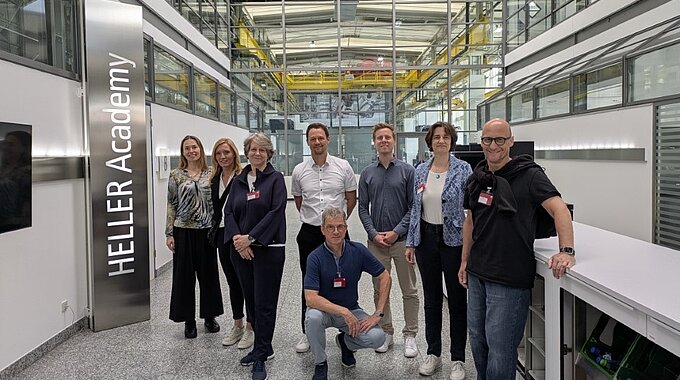
Additionally, our customers are subject to industry-specific standards and regulatory requirements. In this context, machine-readable and semantically enriched standards are also becoming increasingly important. These standards allow us to efficiently derive product and documentation requirements. Against this backdrop, we contribute our iiRDS expertise to IDiS, the Initiative for Digital Standards.
Technical standards such as DITA, RDF, XML, and ReqIF are essential for ensuring system and data interoperability. Companies that rely on established standards can replace system components more easily and adapt their solutions more quickly. For this reason, I consider standards indispensable in this area as well.
For me, AI is a tool, not a threat
Artificial intelligence is one of the key forces shaping the industry today. What concrete, realistic applications do you see for AI in technical communication – and where are its limits?
In the hands of qualified technical communicators, artificial intelligence is a useful tool that can be used to generate, structure, rephrase, translate, and visualize content. Additionally, individual work steps can be automated in a targeted way. For instance, an AI agent can use change information from the development team to identify affected sections in technical documentation and suggest specific content updates.
In my view, AI's limitations lie in creating new knowledge and deriving robust requirements or abstract concepts from complex information. This includes developing a new documentation concept with a well-founded target audience analysis, designing a viable information architecture for digital technical documentation, and developing an IT architecture for information management systems. Of course, there is also the interpersonal dimension, such as moderating workshops, conducting interviews with subject-matter experts, and evaluating and prioritizing measures to support decision-making.
At the same time, I believe the extent to which traditional authoring tasks can be automated is often underestimated. For example, if a company has an end-to-end data chain with technical data from a PIM system or SAP and clearly defined templates for data sheets, the data sheets can be generated and delivered automatically. Manual editorial creation would no longer be necessary in such scenarios. Looking ahead, maintenance and repair tasks may be carried out by robots that don't require fully formulated documentation but rather structured data.
Technical communicators have reason to be optimistic. Product variants are increasing, and regulatory and technological requirements for documentation are becoming more demanding. New regulations, such as the Machinery Regulation, the Digital Product Passport (DPP), and the Cyber Resilience Act, are increasing these requirements. Therefore, there will be no shortage of work in the future, although it will take a different form.
parson has worked within a strong partner network for many years. What role do partnerships play for you, and how do your customers benefit from these joint capabilities and projects?
Without our partners, we would not be where we are today. Our service portfolios complement each other, enabling us to offer our customers a significantly broader range of services. We learn from each other and implement projects together that we could not deliver with the same quality or depth alone. Our close relationships with partners allow us to respond quickly to challenges or short-term requests. For our customers, this means better solutions, greater implementation reliability, and consolidated expertise from multiple perspectives.
At the same time, our customers value our vendor neutrality. We are not resellers of CCMS or content delivery solutions, so we can provide independent evaluations.
For years, industry events in technical communication – such as the tcworld conference – have been a fixture for you and many members of the parson team. What role do these events play for you, and how have you seen them evolve?
To me, the tcworld conference feels like a family gathering – specifically, a gathering of our professional community. Presentations and networking are important to many colleagues, including me. However, the greatest value lies in the personal encounters: meeting long-standing and new colleagues, sharing experiences, and connecting people facing similar challenges.
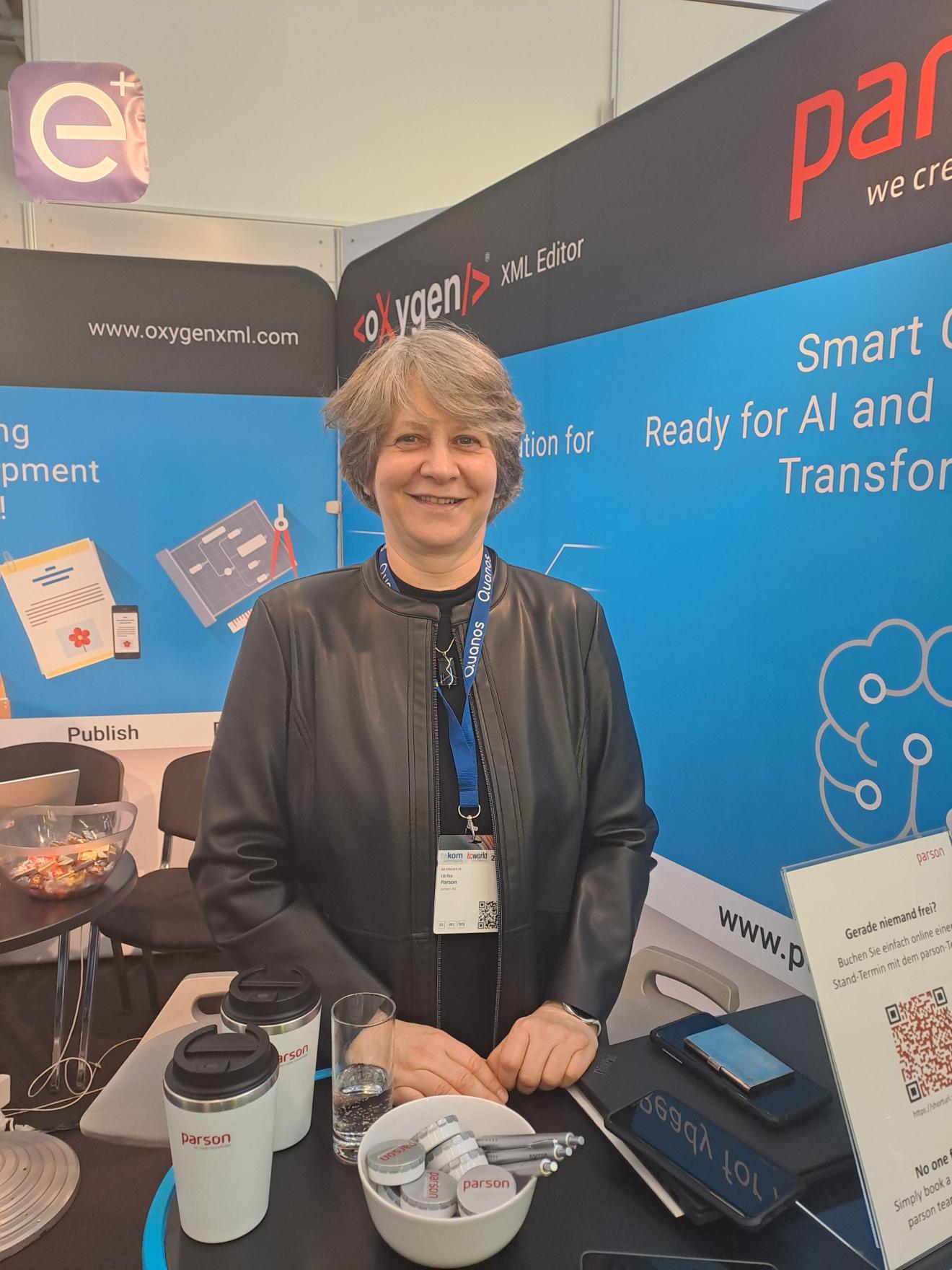
We have a strong and vibrant community that comes together at tcworld. Current developments, such as AI, are well represented. However, given the transformations driven by digitalization, I believe it is necessary to further develop the conference's overall concept – shifting towards knowledge management, product data management, knowledge modeling, and information management.
I know that tekom is working to modernize the association and conference. I am confident that they will continue to provide our "professional family" with a relevant, forward-looking industry platform.
Work will change, but it won't disappear
Looking ahead, which technological and organizational developments do you think will have the greatest impact on technical communication in the next five to ten years, and how is parson preparing for them?
Technical communication will become more closely integrated with other business areas in the coming years to enable digital, automated processes. This includes product data management, order processes, internal knowledge management, and delivering information via websites, training systems, and other digital channels.
That is why we are systematically expanding our portfolio to include system and process consulting, information architecture, and publication automation. We are developing the necessary competencies within our team, including information architecture, metadata development, DITA and pipeline development, project management, and agile testing.
I recharge by spending time outdoors and connecting with people
Finally, a more personal question: With all your projects, travel, and commitments, how do you unwind? What hobbies, routines, or short breaks help you recharge?
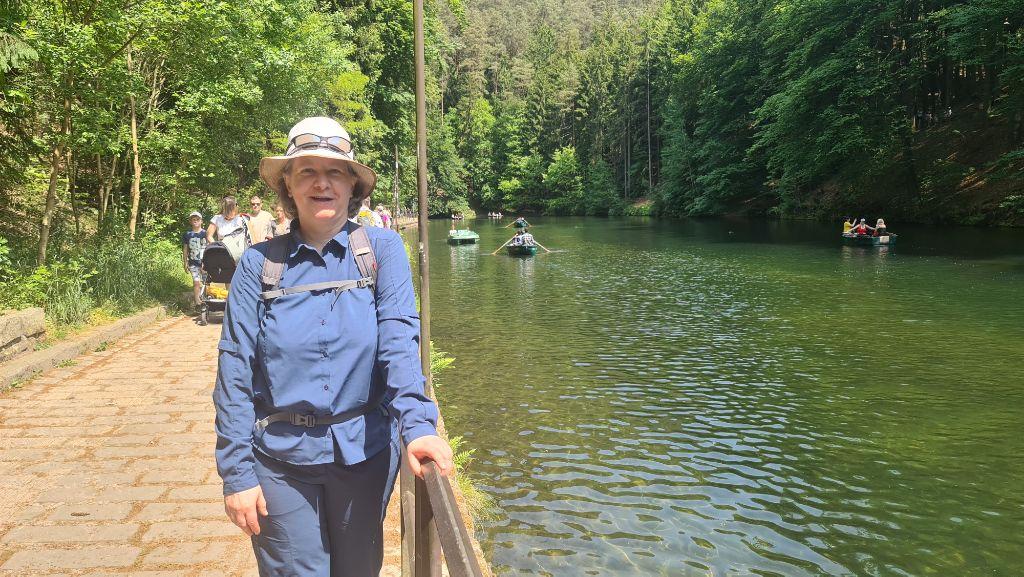
Fresh air and physical activity work best for me. Since moving to the countryside a little over a year ago, I’ve been spending a lot of time in the garden and working outside. We also enjoy visiting our children, who now have homes of their own.
I especially love hiking – a passion my sister introduced me to. Together, we’ve explored Austria, the coast of the Baltic Sea, Saxon Switzerland, and Franconian Switzerland on foot. For me, there’s hardly a better way to unwind.
In a more traditional sense, I also enjoy attending concerts and art exhibitions, which provide a welcome counterbalance to my highly digital work life.
Further reading: